
Cancer treatments have undergone a major transformation in the last two decades. Especially in childhood cancers, survival rates have improved significantly, and attention has shifted to reducing side effects and improving quality of life. Below is a detailed look at current trends and future directions, specifically for pediatric oncology:
🧬 1. Current Trends: Where Do We Stand Today?
✅ 1.1. High Survival Rates in Some Pediatric Cancers
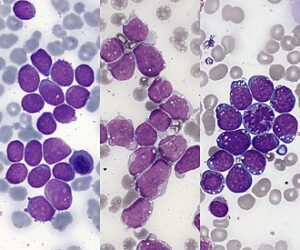
- In cancers like Acute Lymphoblastic Leukemia (ALL), multi-phase chemotherapy protocols have led to survival rates exceeding 85%.
- Protocols like ALL-BFM offer risk-adapted treatment plans with specific drug combinations.
🧪 1.2. Targeted Therapies
- Drugs designed to act on specific genetic mutations or proteins (e.g., Imatinib, Blinatumomab) are being used either as alternatives or adjuncts to chemotherapy.
- These therapies typically affect healthy cells less and may reduce relapse risks.
🧫 1.3. Immunotherapies
- In relapsed ALL, CAR-T cell therapy—where the patient’s T cells are genetically modified to attack cancer—has been revolutionary.
- Antibody-based targeted therapies (e.g., Inotuzumab) are also increasingly used in pediatric patients.
🔬 2. Emerging Technologies Shaping the Future
🧬 2.1. Genomic Analysis & Personalized Medicine
- Analyzing the tumor’s DNA allows for tailor-made treatment strategies.
- Instead of “one-size-fits-all” protocols, patients receive customized drug combinations and dosages based on their genetic profile.
🤖 2.2. Artificial Intelligence & Clinical Decision Support
- AI algorithms can analyze clinical, genetic, and imaging data to:
- Improve early diagnosis,
- Predict treatment response,
- Estimate side effect risk.
- These systems provide valuable decision-making support to healthcare professionals.
🧫 2.3. Liquid Biopsy
- Circulating tumor DNA (ctDNA) in the blood now allows monitoring of the disease without invasive procedures.
- Particularly useful in children, this method enables early detection of relapse and real-time response tracking.
🚀 3. What’s Next in Pediatric Oncology?
🔮 3.1. Cancer Vaccines
- Still in experimental stages, personalized cancer vaccines aim to train the immune system against tumor-specific neoantigens.
- While not yet standard in children, they offer promising relapse prevention strategies.
🌐 3.2. Global Access and Tele-Oncology
- There are still major inequalities in treatment access, especially between developed and developing countries.
- Technologies like mobile diagnostics, remote monitoring, and cloud-based treatment platforms are helping bridge this gap.
👶 3.3. Psychosocial and Developmental Integration
- Future pediatric cancer care will go beyond physical treatment to support:
- Emotional development,
- Academic progress,
- Social relationships.
- Educational support, psychological counseling, and play-based therapy will be standard components of care.
🧭 Summary: The Evolution of Cancer Treatment
| Period | Approach | Main Goal |
|---|---|---|
| Past | Standard chemotherapy and radiotherapy | Eliminate the tumor |
| Present | Targeted and immune-based therapies | Effective treatment with fewer side effects |
| Future | Personalized, AI-integrated smart therapies | Maximum survival with minimal toxicity |
📌 Final Thoughts:
- Survival rates in pediatric oncology are improving, but maintaining emotional well-being and quality of life is just as crucial.
- The future of cancer care will be multidimensional, combining medical, technological, psychological, and societal integration.
This content was generated via Generative AI and edited by a human.


Be First to Comment