
A digital twin is a virtual counterpart of a physical entity, whether it’s a product, process, or an entire system. This virtual representation is dynamic, continuously updated with real-world data captured by sensors, devices, and other connected systems. This connection enables the digital twin to reflect the current state of the physical object, simulate various scenarios, predict future outcomes, and even suggest actions to optimize performance.
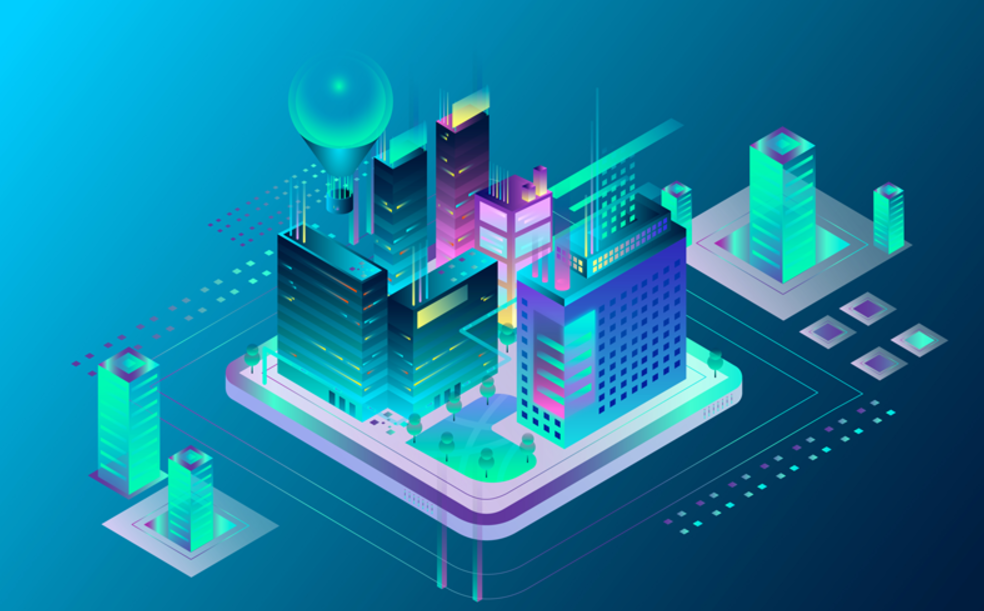
The digital twin concept is particularly valuable in industries seeking innovation through simulation and optimization, as it eliminates the risks and costs associated with testing changes in the real world.
Core Concepts Behind Digital Twins
To understand digital twins, it’s important to know how they integrate different technologies and processes:
- Physical-Digital Connection:
- A digital twin requires a real-time connection to the physical entity through IoT (Internet of Things) sensors. These sensors continuously collect data such as temperature, pressure, motion, and environmental conditions.
- For example, in manufacturing, sensors on machines track operational efficiency, detect vibrations, and identify anomalies.
- Real-Time Updates:
- The digital twin mirrors changes happening in the real object or system. This ensures it always represents the latest conditions, enabling accurate monitoring and decision-making.
- Predictive and Prescriptive Insights:
- Using AI and machine learning, the digital twin analyzes historical and real-time data to predict future outcomes. It can prescribe solutions to improve system performance or prevent failures.
- For instance, a jet engine’s digital twin might predict component wear based on flight data, allowing preemptive maintenance.
- Feedback Loop:
- Insights from the digital twin are applied back to the physical system. For example, if the digital twin of a wind turbine identifies inefficiency in blade rotation, adjustments can be made to improve energy generation.
How Digital Twins Work
- Modeling the Twin:
A digital twin starts with the creation of a virtual model of the physical object. This involves 3D modeling tools like CAD software or mathematical representations that define the object’s behavior and interactions.- For example, an automotive manufacturer might create a detailed digital twin of a car’s engine, including its mechanics, materials, and thermal properties.
- Integration of Sensors and Data:
The virtual model is enriched with data from IoT sensors attached to the physical object. These sensors monitor key parameters like temperature, speed, energy consumption, and wear-and-tear metrics.- In construction, sensors embedded in a building’s structure monitor stress and detect potential weak points.
- Simulation and Analysis:
The digital twin allows users to simulate various scenarios without altering the physical system. This is particularly useful in testing changes or predicting outcomes in a controlled virtual environment.- For example, a traffic management system can simulate new road layouts using a city’s digital twin to see how congestion levels might change.
- Insights and Optimization:
Based on the simulation results, actionable insights are provided to improve efficiency, reduce costs, or prevent failures. Feedback loops ensure that these insights are applied effectively.- In healthcare, a digital twin of a patient’s heart might suggest adjustments to treatment plans based on real-time monitoring.
Applications of Digital Twins
1. Manufacturing: In manufacturing, digital twins are widely used to optimize production lines and reduce downtime.
Example: A digital twin of a factory floor monitors equipment performance. If a machine begins to operate below its optimal efficiency, the twin can identify the issue and predict when the machine might fail. Maintenance can then be scheduled proactively, avoiding costly breakdowns.
2. Smart Cities: Digital twins are transforming urban planning and management. A digital twin of a city integrates data from transportation systems, utilities, and infrastructure to simulate and manage urban development.
Example: Singapore’s “Virtual Singapore” project creates a digital model of the city to test new housing layouts, optimize energy use, and simulate emergency scenarios like flooding.
3. Aerospace: Aircraft manufacturers like Boeing and Airbus use digital twins to monitor their fleet. By analyzing data from flights, the twin helps identify parts that may need replacement, ensuring safety and minimizing downtime.
Example: NASA employs digital twins to simulate spacecraft operations and test potential risks without endangering missions.
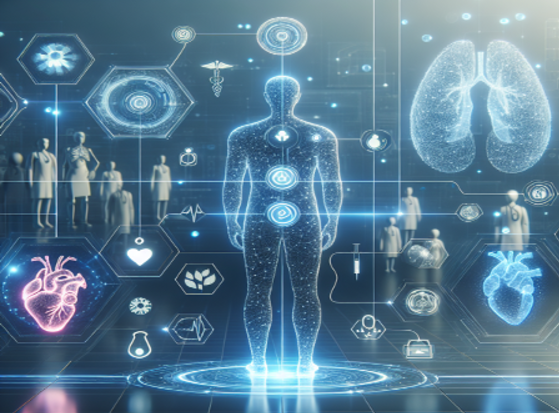
4. Healthcare: In healthcare, patient-specific digital twins are used to personalize treatment and predict surgical outcomes.
Example: A digital twin of a patient’s organ, like a heart, can simulate how it would respond to a specific surgery, allowing doctors to plan procedures with greater precision.
5. Energy: The energy sector uses digital twins to manage power plants, optimize renewable energy production, and monitor infrastructure.
Example: Wind farms use digital twins to monitor turbine performance and adjust angles or speeds for maximum energy output.
Technological Components of Digital Twin
1. IoT and Sensors: IoT devices form the backbone of digital twins, capturing real-time data. Sensors embedded in physical assets measure parameters such as vibration, temperature, and humidity.
Example: In a smart grid, sensors monitor power consumption and supply, providing the data needed to balance energy distribution.
2. Artificial Intelligence and Machine Learning: AI enables digital twins to process vast amounts of data, recognize patterns, and make predictions. Machine learning enhances this by allowing the twin to improve its predictions over time.
Example: A machine learning model trained on historical factory data can predict when specific machinery is likely to fail.
3. 3D Modeling and Simulation: Advanced simulation tools create the visual and functional aspects of the digital twin. These tools allow users to test scenarios in a realistic virtual environment.
Example: Engineers use 3D models to test aerodynamic properties of car designs in virtual wind tunnels.
4. Cloud and Edge Computing: Cloud platforms store and process the enormous amounts of data generated by digital twins, while edge computing handles latency-sensitive operations closer to the source.
Example: A digital twin of an autonomous car processes sensor data locally to make real-time driving decisions, while larger datasets are stored in the cloud for long-term analysis.
Advantages and Challenges of Digital Twin
Advantages:
- Efficiency: By analyzing data and simulating changes, digital twins optimize operations, reducing costs and energy consumption.
- Predictive Maintenance: They predict failures before they occur, minimizing downtime.
- Risk-Free Testing: Scenarios can be tested virtually without affecting real-world operations.
- Personalization: In healthcare, they allow for customized treatments tailored to individual patients.
Challenges:
- Data Privacy: Handling sensitive data, especially in healthcare or urban systems, requires robust security measures.
- Complexity: Developing an accurate digital twin for large, interconnected systems can be resource-intensive.
- Integration Issues: Ensuring compatibility with legacy systems can be challenging.
Future Prospects Regarding Digital Twin
As technology advances, digital twins are expected to become increasingly autonomous, with minimal human intervention required. They will also scale to manage complex systems, such as entire cities or nationwide infrastructures, and even living organisms such as humans, as making them a cornerstone of smart systems and the associated enhancements in the future.
This content was generated via Generative AI and edited by a human.

Be First to Comment